
ABSTRACT
 The purpose of my study is to provide a useful guide for applying the theory of higher and lower level cognitive processing in order to create dynamic cinematic situations. The essay contributes another dimension to cognitive film theory and neurocinematics by advancing cognitive scientist Lawrence Barsalou’s theory of deep processing alongside Deleuze’s theory of cinematic “time images” to offer a rich supplement to fMRI analysis of affective response. In the article, I argue that abstract concepts over representational imagery, and embodied imagery over linguistic content capitalize upon the difference between higher and lower level cognitive processing for increased viewer engagement and affect. In the latter part of the paper, I discuss how viewers extract meaning from cinematic situations by functioning first within the concept of a “shock to thought” that communicates vibrations to the cortex, and second, within Barsalou’s perceptual symbol system. The final section of the essay offers examples from Agnès Varda’s Beaches of Agnès and Andrei Tarkovsky’s The Stalker to illustrate how the synthesis between the two theories can be applied by filmmakers who want to leverage more control over affective response to their images.
Full essay available upon request.
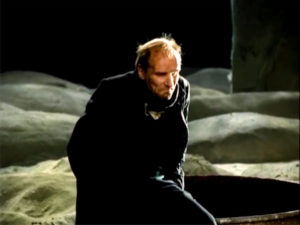
[Image: The Room in Tarkovsky’s The Stalker – Soliloquy of Wants and Goals]
You must be logged in to post a comment.
llilli
July 22, 2018
Film, Psychology and Neuroscience
No Comment